A manufacturing company gets a large contract. The monthly production needs increase, but the factory doesn’t have more space and employees with experience or extra hours during the day. It is possible to add another shift temporarily, but it may also introduce new labor as well as training, supervision and quality control requirements.
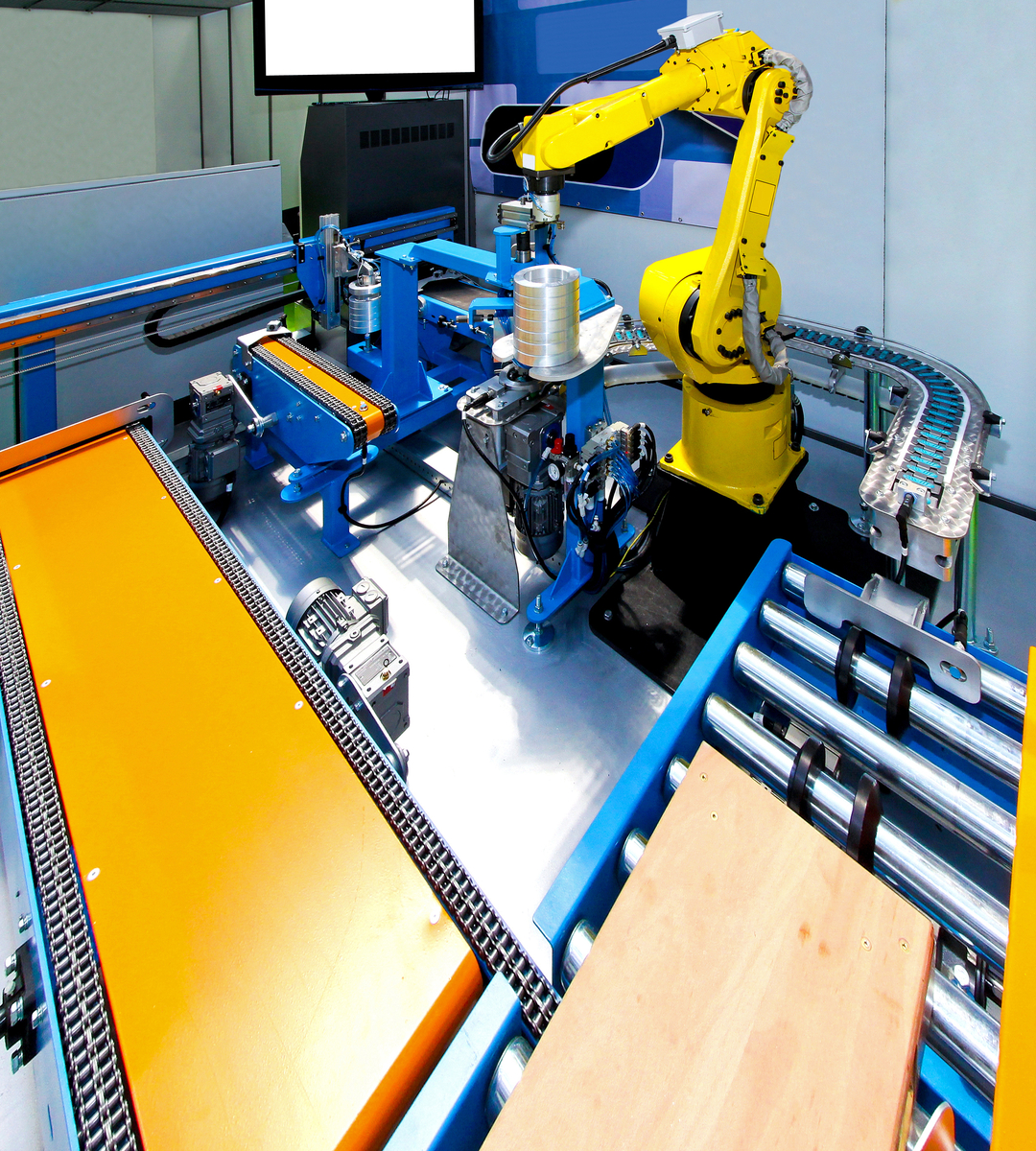
Image credit: automatedsolutions.com.au
This scenario reveals the primary reason for robots. Robotics isn’t only about replacing people with an automated machine. The right application can transform the way in which manufacturers make use of their production capacity.
Take a look at the amount of time that is lost between the products
Manufacturing inefficiency doesn’t have to be a major issue. Imagine a person spending 15 seconds searching for a piece of equipment after which they spend 10 seconds putting the material and then transfer it. In the case of a single piece, the difference is insignificant. When repeated thousands of times but those seconds turn into important production times.
Wasted material is no different. The same is true for waste material.
Companies that are thinking about robotic automation Australia could benefit from analyzing these small, repetitive losses before they decide what equipment to purchase. ASA’s needs analysis is intended to uncover bottlenecks and inefficiencies, quality issues, and other constraints to the process that can affect an automation project.
Robots need to be able be integrated into the process.
A robot is just one of the many engineering choices. Tools, guardings, controls, sensor, conveyors and fixtures are also needed. Engineers must take into consideration the reach and payload of the robot while determining how the robot will move through its area of work and interact with the environment around it.
ASA offers concepts development, design, CAD simulation and offline programming as part of its strategy to FANUC’s robotic automation. Engineers are able to explore configurations for the system and estimate cycles before the finalized system is placed in the factory floor. This is especially useful when there is a shortage of space or when new robotics have to be incorporated into the existing lines of production.
The importance of consistency in painting and dispensing
Controlled movement is especially important in some manufacturing processes. Imagine covering hundreds of components. It’s not just about completing the components quickly is the goal. The distance, movement, speed, and application have be controlled from the start of the production process until the end.
ASA has experts who deal on dispensing and paint applications across various industries, including automotive and aeronautics. In these environments, industrial robotic automation can provide repeatable programmed movement while also reducing employee exposure to physically demanding or potentially hazardous processes.
The reduction of waste and the improvement in productivity could be achieved by better control.
Even after installation it still needs individuals
Automatism isn’t a substitute for manufacturing knowledge. Automation transforms the skills required to manage and control the manufacturing process.
Employees should be able recognize abnormal behavior and troubleshoot problems, as well as carry out the correct maintenance. Production requirements can change in time, meaning that procedures and protocols will need to be adjusted.
ASA offers on-site training in safe operating, programming, and troubleshooting as well as maintenance of electrical and mechanical systems. The company also provides regular maintenance and service to ensure that the equipment is in good order and wear and tear problems are dealt with.
Capacity is more than just making work faster
For Australian manufacturers, increasing capacity doesn’t necessarily mean purchasing an additional building or increasing the amount of labor required to perform repetitive tasks. It’s often better to inquire about whether the production procedure could be altered.
ASA has been designing and integrating automation solutions since 2002. It assists the manufacturing industry in Australia and international projects. Its approach combines needs analysis along with engineering simulation FANUC integration, training and servicing.
It’s not about automation to achieve its own goals. A system that’s worthy of the gold it’s worth ought to provide measurable benefits to manufacturers, for example more reliable production, better quality manufacturing processes, and safer ones. It also means less waste.