It is rare that a successful yard is started with costly machinery or a gorgeously landscaped yard. It is more likely that it begins with someone sowing seeds, keeping an eye on what happens, and then making better decisions for the coming season.
That practical approach is central to The Sproutstead, an informational resource created for people who want to raise food and improve their soil, save what they’ve harvested and learn self-sufficiency techniques without being buried in technical terms.
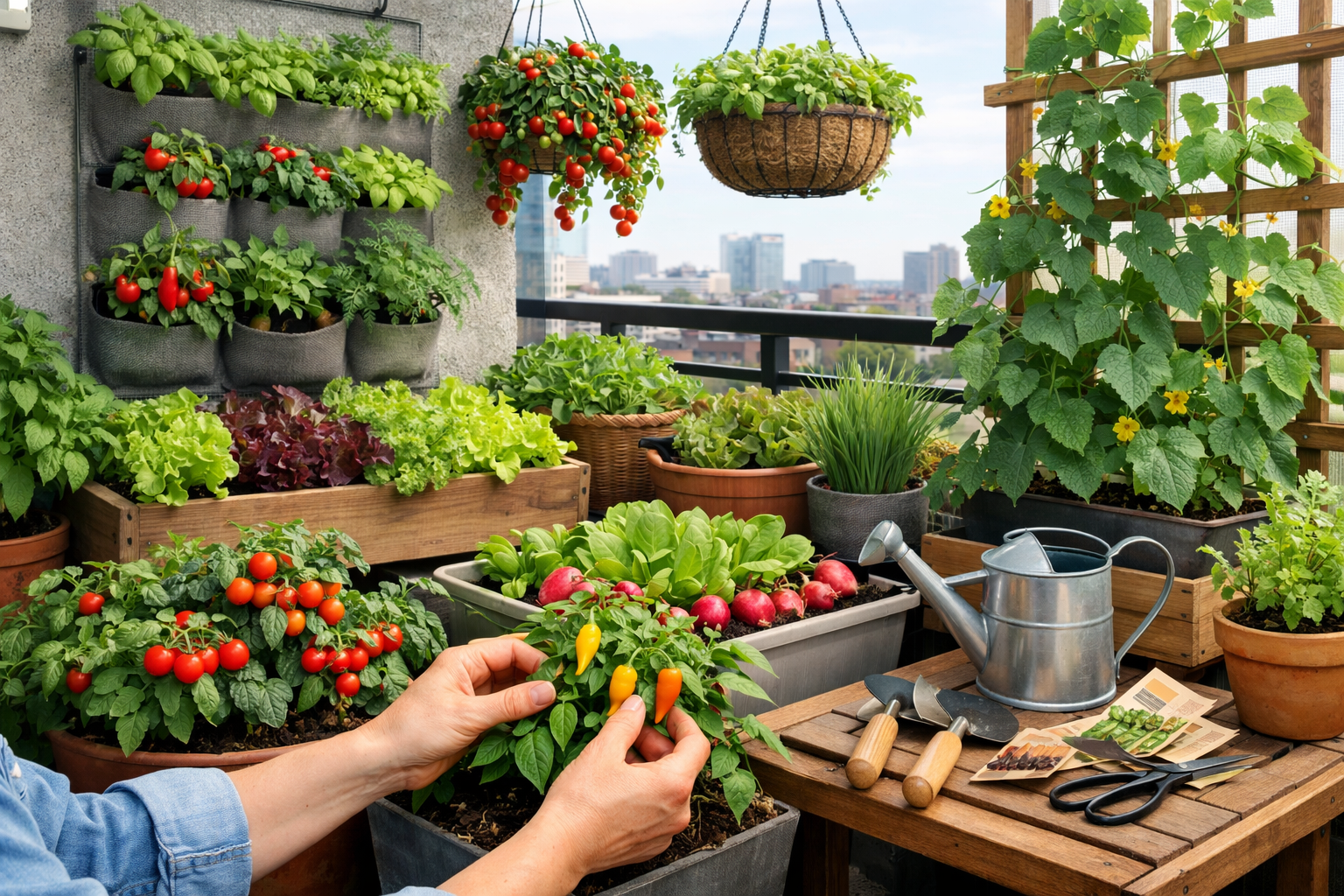
The conditions of your garden are special
One reason garden advice can become frustrating is that gardens can’t be interchangeable. The same tomato variety that is planted in a raised bed that has sun in one location could behave differently from the same variety of tomato grown in a dense, heavy soil in another part of the world.
Successful gardening and homesteading therefore involves more than following instructions. Understanding the climate in the environment you live in is vital for gardening.
The Sproutstead focuses on explaining these factors so that readers can modify the information about gardening to their own home rather than trying to recreate someone else’s ideal setup.
Below the surface, vegetable gardening starts
The plants which are easily visible are a focal point, but a lot of gardens’ success is also determined by what’s underneath.
The proper balance between drainage, retention (retention of moisture) and nutrients as well as organic matter is important for healthy soil. Composting helps improve soil over time while mulching conserves water and helps control the spread of weeds. Vegetable gardening is easier when you are aware of the basics. A healthy environment for growth provides plants with better soil.
Planning is equally important. The spacing of plants, the timing of crops along with companion planting and the timing of the seasons can affect how effectively a gardener uses small spaces.
Tomatillos Are an excellent example of Paying Attention
If you ask ten gardeners about tomatoes and you’ll likely hear ten different stories. The most well-known of garden crops, tomatoes demonstrate the effects of different types of weather.
If you’re curious about how you can grow tomatoes, go beyond the planting depths and fertilizer schedules. The tomato needs ample sunlight, regular irrigation adequate soil, and the right spacing once they reach maturity. It is important to choose the best tomato type due to the conditions of growth the available space, as well as the purpose of use will all impact the best tomato for you.
It is not likely to solve the problem by adding fertiliser. It could be due excess nitrogen or low temperatures, a lack of sunshine or insufficient pollination. Monitoring the entire plant is better than treating just one indication.
A Harvest Is Only Part of the Story
When a quarter of the vegetables fall off prior to being eaten this makes the effort of growing 20 pounds of vegetables appear less successful. When harvesting, a careful gardening method at home will take into account the entire process.
Canning drying, freezing, or freezing and sharing leftover produce can enhance the value of the produce you plant. You can also save seeds for later use or compost any scraps that are unavoidable. Backyard chickens, plants fruit trees, composting may eventually become parts of the same system.
Nobody needs to adopt each homesteading method at once. Making progress is learning to cultivate lettuce, or improving the compost pile and even preserving your first homegrown tomato batch.
Gardening can be made easier with the right knowledge
The most effective gardening education can’t guarantee perfect plants. Weather, pests and seed failures could vary from region to region.
The Sproutstead thinks of these issues in the context of learning rather than as a set of exceptions. By connecting topics like soil and seeds, vegetable seed-starting, pesticides, preservatives, backyard chickens, or self-sufficiency, with other subjects like preservation backyard poultry, self sufficiency, readers will gradually master the art of growing a garden.
It is best to design a productive garden similar to how plants develop: seasonally, gradually, and from a strong base.